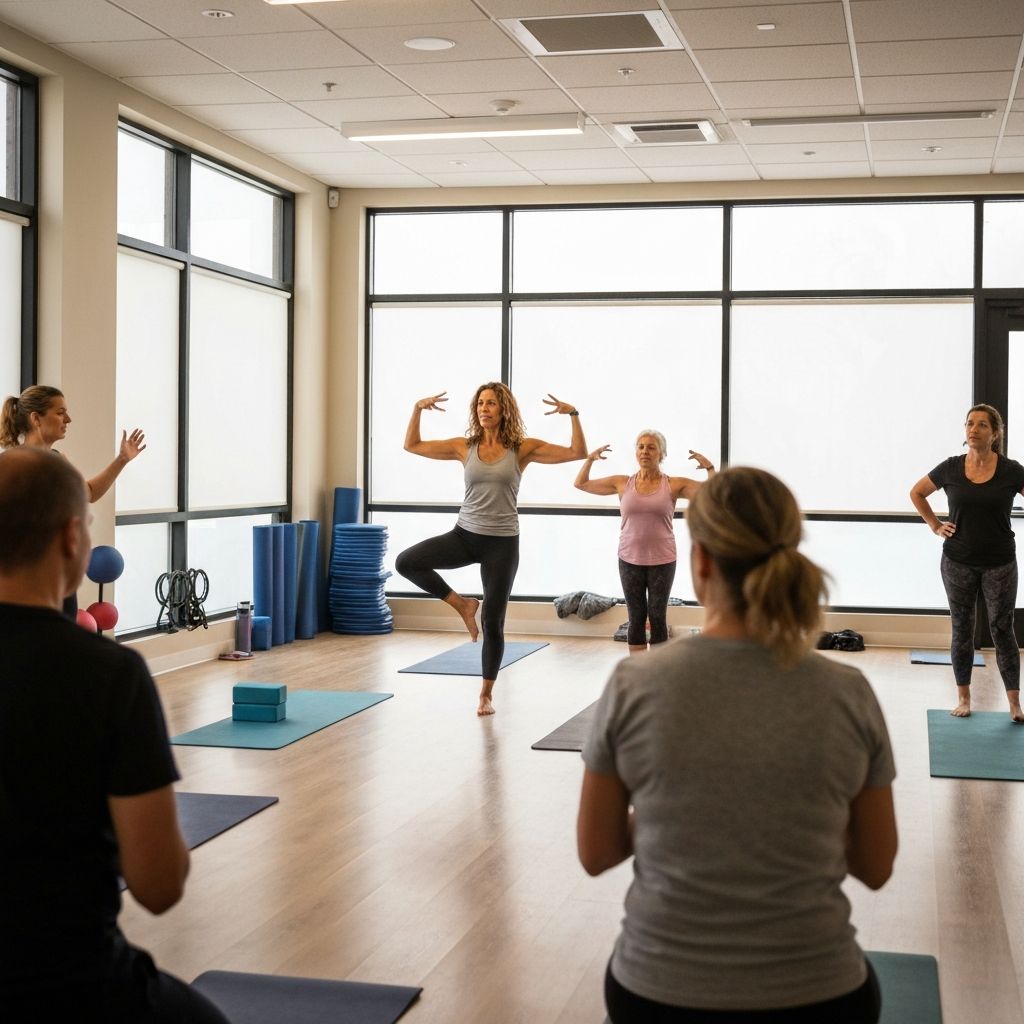
Our philosophy is simple: your body is wise, and movement is a language you can learn to speak fluently.
At Rozwise, we view movement not as something to master, but as an ongoing exploration. There's no perfect form, no ultimate destination—only the continuous practice of becoming more aware of how you move through space.
We encourage curiosity about your body's capabilities rather than pursuit of an ideal. Every person moves differently, and that diversity is something to celebrate, not correct.
Before changing how you move, you must first notice how you move. We prioritize developing kinesthetic awareness—the ability to sense your body's position, tension, and energy.
Sustainable change happens incrementally. We value small, consistent explorations over dramatic transformations. Your body adapts best when given time and respect.
Movement practice isn't separate from daily living. The insights you gain during dedicated practice time should inform how you sit, stand, walk, and navigate your everyday activities.
Our approach is educational rather than prescriptive. We don't tell you how your body should move—we help you discover how it does move and explore new possibilities.
We often treat our bodies as objects to be shaped or fixed. What if, instead, you thought of your body as a space you live in? A place you get to know intimately, navigate skillfully, and inhabit fully?
Just as you learn the layout of a new home, you can learn the internal geography of your body. Where do you hold tension? Which areas feel spacious? What movements feel familiar versus foreign?
Your body isn't static. Energy levels fluctuate. Flexibility changes throughout the day. Strength develops gradually. Learning to read these shifts is a skill we help you develop.
Many people feel disconnected from their bodies, especially after years of sedentary work. Our practices help you reestablish that connection, making your body feel like a welcoming place to be.
Our instructors aren't here to fix you or transform you. They're guides who help you navigate your own movement exploration. They offer frameworks, ask questions, and point out patterns you might not notice on your own.
Think of an instructor as a translator—someone who helps you understand the language your body is already speaking. They illuminate possibilities and provide structure, but the actual learning happens through your own experimentation and attention.
In a culture obsessed with quick results, our approach may seem counterintuitive. We value slow, steady development over dramatic transformation. Here's why.
Biological adaptation takes time. Connective tissue, nervous system patterns, and movement habits don't change overnight. Respecting these timelines prevents strain and supports lasting change.
Noticing subtle sensations, recognizing patterns, and distinguishing useful signals from noise—these skills develop through repeated, attentive practice over weeks and months.
A practice that fits into your life naturally is far more valuable than an intensive program you can't maintain. We help you find rhythms that stick.
A tiny shift in how you sit, breathe, or walk—repeated hundreds of times per day—creates more change than an occasional intense practice session.
"Most people rush past the most valuable part: noticing. Before adding complexity, before increasing intensity, simply pay attention to what's already happening. That attention is transformative."
Movement Educator"The question isn't 'Can I do this movement?' but rather 'How do I currently do this movement, and what would it feel like to do it differently?' That shift in framing changes everything."
Body Awareness Specialist"Flexibility without awareness is just range of motion. True flexibility includes knowing how to access that range intelligently."
Movement Guide"Your body doesn't need to be fixed. It might need to be listened to, explored, and moved in new ways—but not fixed."
Physical Educator"The goal isn't perfection. It's creating a sustainable, curious relationship with how you move through your day."
Movement InstructorIf this approach resonates with you, we'd love to support your exploration.
Get in Touch